
Robotics data

Real work.
Captured with context.

Human demonstrations from skilled workers in India for robotics and embodied AI teams. First-person recordings, useful task context and a specification built around your learning objective.

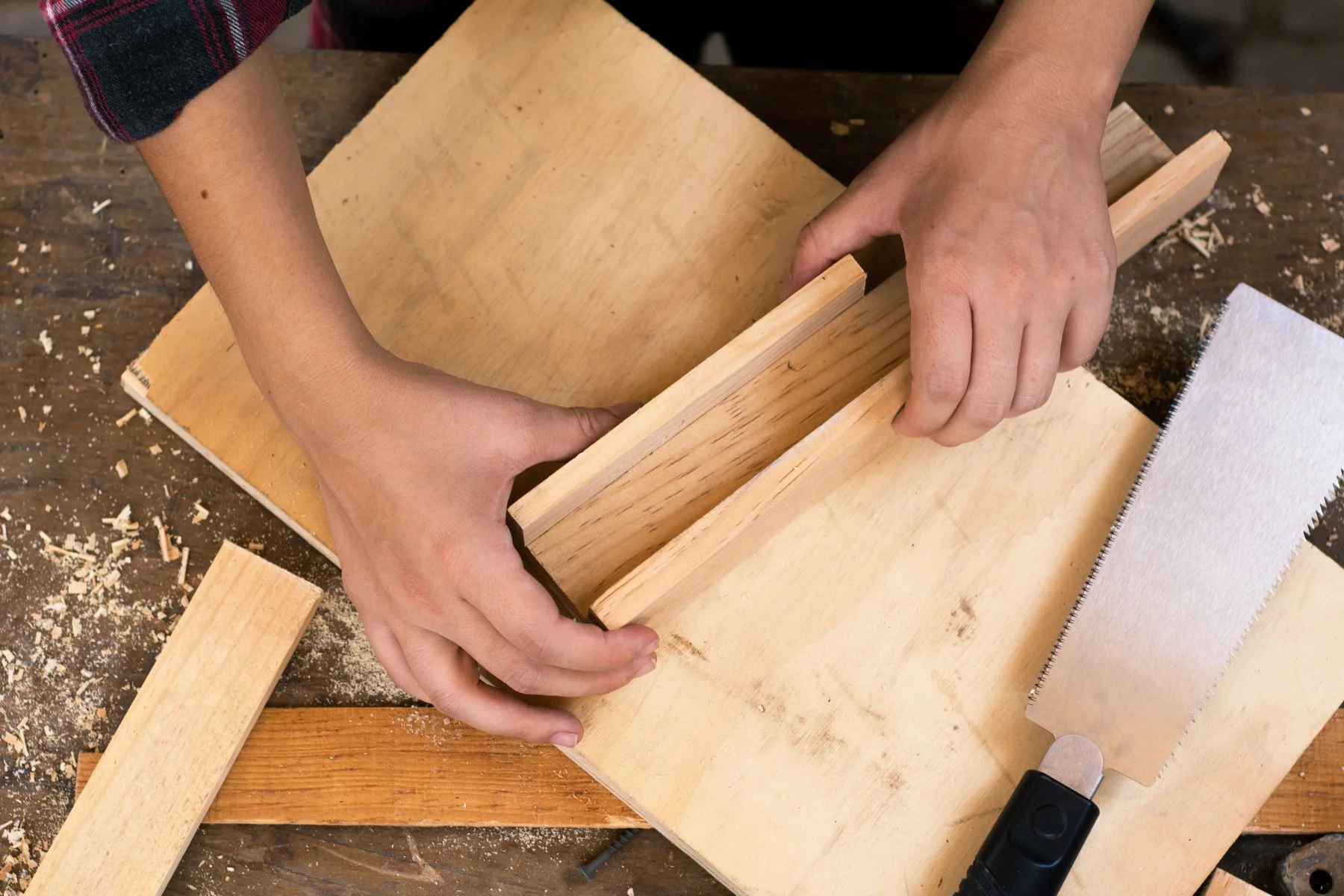
Close-up of hands working with tools and wooden boards.
Illustrative task photographyLos Muertos Crew / Pexels ↗

THE VIEW FROM THE WORK

The skill is in
the details.

A steady grip. A small adjustment. The check before the next step. Skilled work contains more than a sequence of movements. We capture people completing physical tasks so robotics and embodied AI teams can study the work in context.

Labeno's collection work starts with your task specification: what needs to be visible, which variations matter and how the recording will be reviewed. First-person video connects hands, tools, objects and the order of the work in one record.

  • Core focusHuman task demonstrations
  • Capture approachWorker point of view; other views by brief
  • Collection geographyIndia
  • Starting pointA scoped, reviewable pilot

DEFINE THE DATA BEFORE THE COLLECTION

A clear brief.
A useful record.

Capture choices, labels and deliverables should match the way your team intends to use the data.

01 / THE VIEW FROM THE WORK

See the task as it happens.

Wearable cameras can record from the worker's perspective. The useful frame follows the interaction: a hand reaching for a tool, a part being aligned, a fastener tightened and a result checked. External camera views can be scoped when the task needs more spatial context.

02 / THE TASK COMES FIRST

A useful brief is specific.

"Assembly footage" can mean many things. A stronger specification names the object, the starting state, the action sequence, the completion condition and the variations worth collecting. That gives field teams a clear brief and reviewers a shared acceptance standard.

03 / FROM RECORDING TO DATASET

Keep the context attached.

A clip becomes easier to use when its task, timing and capture context travel with it. Depending on the agreed scope, delivery can include organized video, a recording manifest, task descriptions, time-based action labels and review notes. The pilot establishes the exact files and fields before a larger collection begins.

04 / CUSTOM REQUIREMENTS

Bring your own task.

Home routines, chef skills, trade work or a specialist process. We discuss feasibility, demonstrators, access, equipment and quality criteria before agreeing a collection.

Tasks & variationDefine the skill, object types, conditions and examples that matter.
Camera & recordingAgree viewpoint, framing, resolution, frame rate and capture rules.
Annotation & reviewAgree action vocabulary, time boundaries, metadata and acceptance checks.
Files & handoffAgree naming, folder structure, label format and delivery method.
Illustrative photograph of hands aligning wooden material

Illustrative annotation and stock photograph. Timings and labels are fictional examples, not client data.

EXPLORE / A RECORD WITH STRUCTURE

A clip becomes
more useful with context.

Explore a simple example of a task label and time segment. Your team’s schema, vocabulary and review rules determine the actual annotation scope.

{
  "example_only": true,
  "task": "woodwork_preparation",
  "action": "prepare_workpiece",
  "time_seconds": [
    0,
    4
  ],
  "description": "Position the workpiece and identify the tool."
}
Download example JSON

QUALITY / BEFORE VOLUME

Keep the important
interaction visible.

We agree what makes a usable recording before increasing collection volume.

Framing

Hands, contact points, tools and relevant objects should be visible for the intended task.

Task coverage

The beginning, useful intermediate actions and agreed end condition need to be understandable.

Review consistency

Shared examples and acceptance criteria help the collection and review teams judge the same thing.

Your task doesn’t fit a category?
That is a good place to start.

Tell us what you want recorded. We can discuss the skill, environment, camera setup, annotation and budget in a scoping meeting.

Discuss a custom recording

ROBOTICS DATA / FAQ

Understand
the specification.

What is an egocentric demonstration?

It is a recording from the perspective of the person carrying out the task, often using a head-mounted camera. The view can show hands, tools and objects through the sequence of the work.

Can human video be used directly as robot control data?

Human video and robot control trajectories contain different information. Human demonstrations can support robot-learning research, but executable robot actions require additional methods and validation. The collection specification should state exactly which signals are included.

Can we start with a pilot?

Yes. A focused pilot is the practical place to review framing, task coverage, file organization and any labels before agreeing a larger collection.

Which annotations can be included?

Task descriptions, time-based action segments, interaction labels and metadata can be scoped to the brief. We agree the vocabulary, granularity and acceptance criteria with sample records before collection expands.

Are the task-library examples available datasets?

The task library illustrates possible collection briefs. It is not an inventory of footage ready for purchase. Task feasibility, access, volume and delivery are confirmed for each project.

What should we send with an enquiry?

A task list, intended use, desired views or sensors, annotation requirements and a few reference examples provide a useful starting point. If the specification is still taking shape, begin with the behavior you need to understand.